
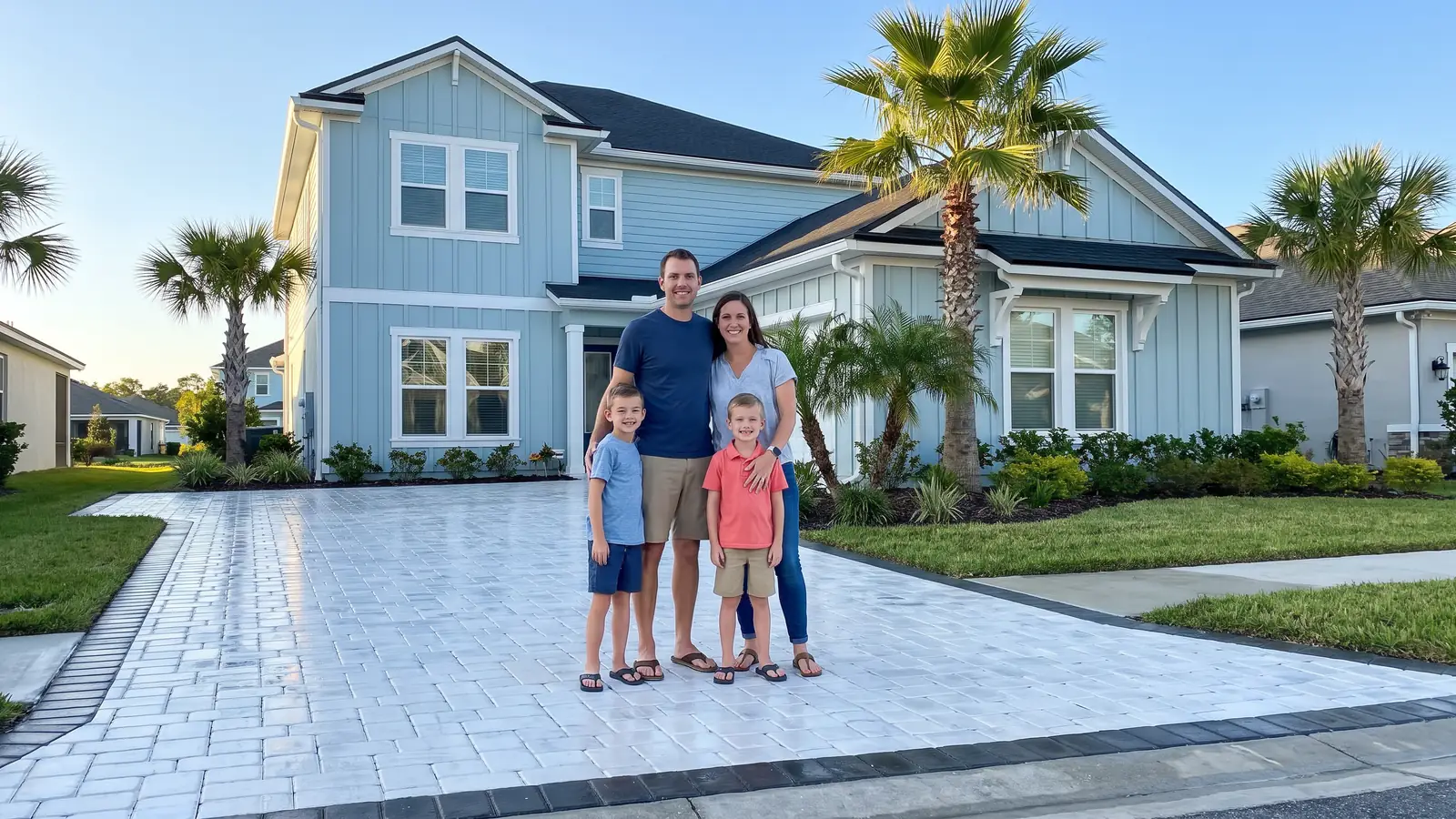
Paver sealing for Palm Valley homes
Paver Sealing in Palm Valley, FL
Palm Valley was marsh before the Intracoastal drained it, and wet ground still tests pavers, so call (904) 747-6756.
- Brings out deeper paver color
- Fresh joint sand helps lock pavers in place
- Gives weeds less room to grow
- Makes the surface easier to keep clean
- Free estimate, no obligation
Request a Free Estimate
Free, no obligation.
Fast, careful paver sealing in Palm Valley
Paver sealing in Palm Valley covers driveways, pool decks, front walks and patios between the Intracoastal and A1A. A local contractor cleans the pavers, refills the joints and seals them, and the estimate is free with no obligation. Fill in the short form to request your free estimate, and a reply arrives within 1 business day, usually much sooner. Say which neighborhood you live in, since Odom's Mill and the Sawgrass side can look quite different.
Maybe your pool deck has a dull, chalky look, and the drive has weeds poking up wherever the sand washed out. A careful cleaning, new joint sand and a fresh coat can bring back the color and close those gaps. After that, rain runs off in beads instead of sinking in and carrying sand away. If that sounds like your yard, call (904) 747-6756 and describe it.
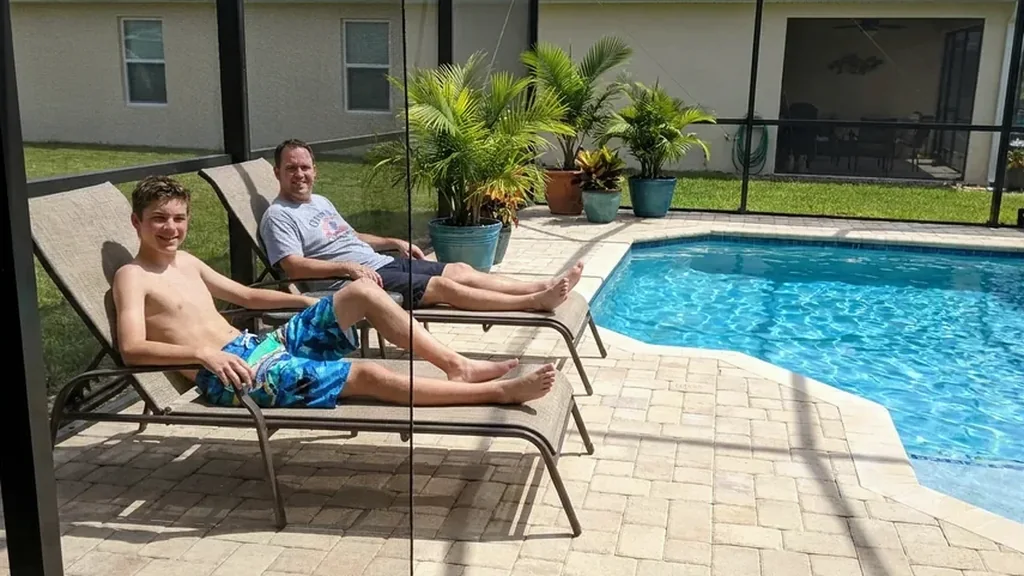
Why hire a local paver sealing contractor in Palm Valley?
Palm Valley pavers deal with drained marsh soil, a long humid season and a salty breeze from the beach side. People here tend to want a contractor who plans for all three, so request your free estimate and ask how they would handle your lot.
Free estimate, no strings
A contractor looks over your Palm Valley pavers and tells you what they need. Nothing is owed unless you decide to go ahead.
The published price range
Companies in this part of Florida publish $1.75 to $3.25 per square foot for the cleaning, sanding and sealing. Weigh any Palm Valley quote against it.
A finish for the pool deck
Pool decks get a finish with grip, and many owners pick matte there. A wet look adds shine but shows scuffs sooner.
You pick the dry day
Sealing needs dry pavers, so the date stays flexible. You decide when the work happens once the forecast looks clear for a day or two.
Get Your Free Estimate in Palm Valley
Tell us about your pavers in Palm Valley.
Free, no obligation
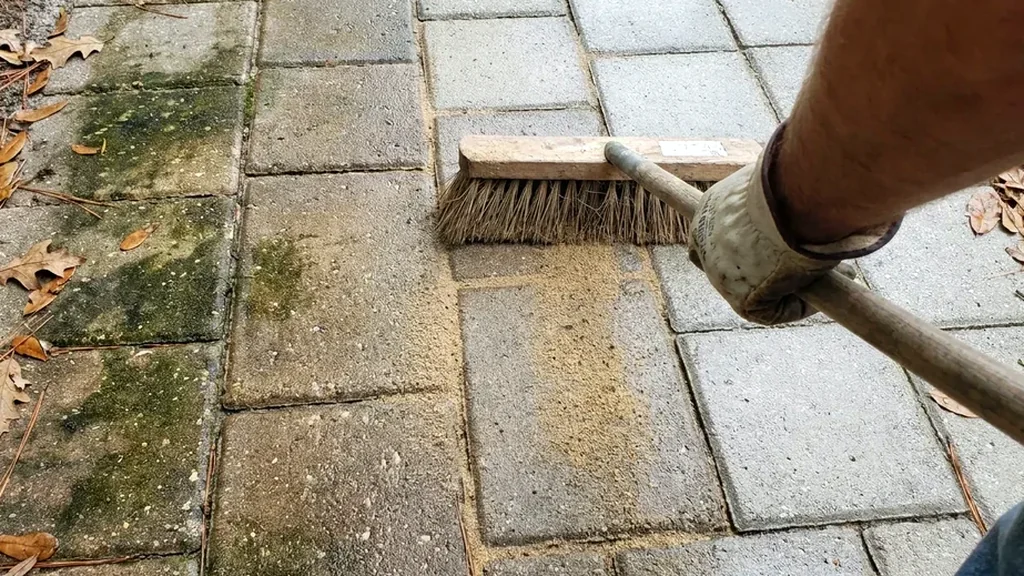
What paver problems show up most in Palm Valley?
Ground that used to be marsh
A state marker at the Palm Valley Community Center says the Intracoastal drained much of what had been marshland when it was cut through. Drained or not, the ground here still holds water after a heavy rain. During one wet week, Action News Jax reported 2 to 2.5 inches in a single morning, with ponding on lawns along Roscoe Boulevard. Pavers on soggy ground take longer to dry and can lose sand from below, which means the joints and low spots get checked first.
Six and a half months of sticky air
Weather Spark, cited on Wikipedia, puts Palm Valley's humid stretch from about April 26 to November 11. The wettest months run from early June to early October. In that kind of air, a washed patio can stay damp well into the afternoon, especially in shade. Sealer laid on damp pavers can turn white, so the drying step cannot be rushed. Many homeowners here aim for late fall or winter, when the air finally dries out.
Chalky color from the beach breeze
Palm Valley sits between Nocatee and Ponte Vedra Beach, and PaverGuard says the sea breeze pushes salty air across both. A Ponte Vedra Beach company says salt works into the pores of bare pavers and, with sun, leaves them chalky. Add strong Florida sun, which fades unsealed concrete pavers within a few years. A good wash and a fresh coat put a barrier back between the salt and the paver. Rinsing a pool deck after heavy use also helps, since salt systems and chlorine leave residue of their own.
Leaves and fronds from the old hammock
The state marker describes this land as a hammock once covered with oaks, magnolias and Sabal palms. Many yards still have those trees overhead. Leaves that sit on pavers leave brown tannin marks, and shaded spots grow green film. Each needs the right cleaner before sealing, or the stain stays locked under the coat. Palm fronds that drop onto a drive can hold moisture underneath and leave a dark outline when lifted.
Forty years of homes and unknown coats
Plantation Oaks homes were built from 1985 to 2006, and new homes keep replacing old farm land along the Intracoastal. Many Palm Valley pavers have been sealed by a past owner with a product nobody can name. Water-based sealer cannot go over solvent-based sealer, so the old coat needs to be identified. A patchy, peeling or cloudy surface is often the clue. Keeping any old paperwork or product names can save time and guesswork at the estimate.
Does where you live in Palm Valley change the paver plan?
Yes, since Palm Valley's six or so neighborhoods range from waterfront lots to golf homes. Palm Valley Landing, Plantation Oaks, Seaside, Odom's Mill and Dolphin's Cove each have their own age and layout, and part of Sawgrass sits here too. Homes near the Intracoastal often have larger yards and more trees, while golf streets may have tighter rules. Tell the contractor your neighborhood when you request your free estimate.
Odom's Mill has more than 230 single-family homes from about 1,800 to 4,200 square feet, with a community pool. A smaller home often means a shorter drive, while a large one may add a pool deck and a long walk. Plantation Oaks homes date from 1985 to 2006, and nearly all report an HOA. Call (904) 747-6756 and mention your HOA if you have one, so the finish choice clears any rules.
Along Roscoe Boulevard and the waterfront, the land sits low beside the Intracoastal. These yards are the first to pond after a heavy morning rain. Pavers there may have dips or joints that drained out from below. When you request your free estimate, ask the contractor to look at the low side of the drive first.
What does paver sealing cost in Palm Valley?
Paver companies across Northeast Florida put the cost of cleaning, sanding and sealing at $1.75 to $3.25 per square foot. In Palm Valley, salt film, leaf stains and shaded green growth add cleaning time and can push a job higher in that range. A small patio can also cost more per square foot than a long drive, because the setup, travel and gear are about the same. For a price on the drive and deck at your house, at no charge, request your free estimate.
An old coat that has failed is the biggest surprise in a quote, since it may need stripping before new sealer goes on. Low spots that need resetting add time too, and that is more common on soggy ground. Pool decks behind a screen enclosure take more care to protect the cage and the water. Call (904) 747-6756 and the contractor can flag these before you agree to anything.
| Paved area | Typical example | Clean, sand and seal |
|---|---|---|
| 300 sq ft | Small patio or walkway | $525 to $975 |
| 600 sq ft | Two car driveway | $1,050 to $1,950 |
| 1,000 sq ft | Large driveway or pool deck | $1,750 to $3,250 |
| 1,500 sq ft | Driveway plus pool deck | $2,625 to $4,875 |
Math based on the $1.75 to $3.25 per square foot that Northeast Florida paver companies published as of November 2026. Your contractor sets the actual price after seeing the surface. Repairs, leveling and stripping failed sealer are usually extra.
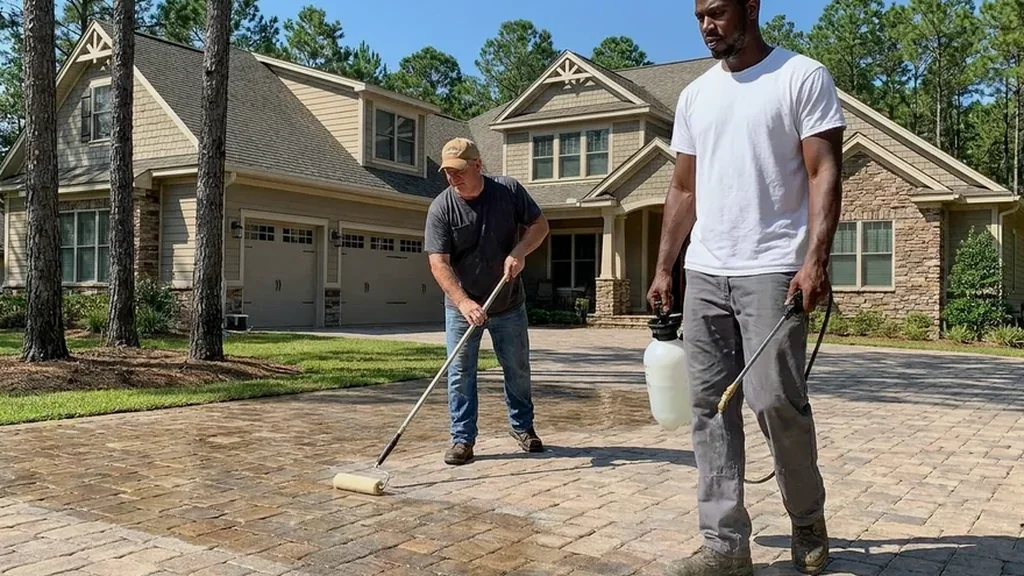
How does a paver sealing job work in Palm Valley?
Trace where the rainwater goes
First, the contractor follows the slope of your yard toward the street or the waterway and notes where puddles form after a storm. Pavers that have dropped or heaved are marked, because a coat would set them in that shape for good. Then comes the question of any earlier sealer and what brand it might have been. Lots along Roscoe Boulevard and the Intracoastal usually get the closest look at their low corner, and old receipts help.
Lift salt haze, tannin and green growth
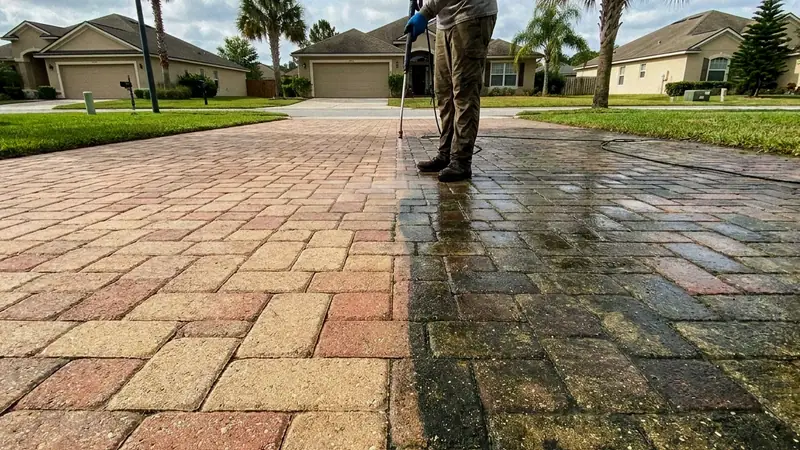
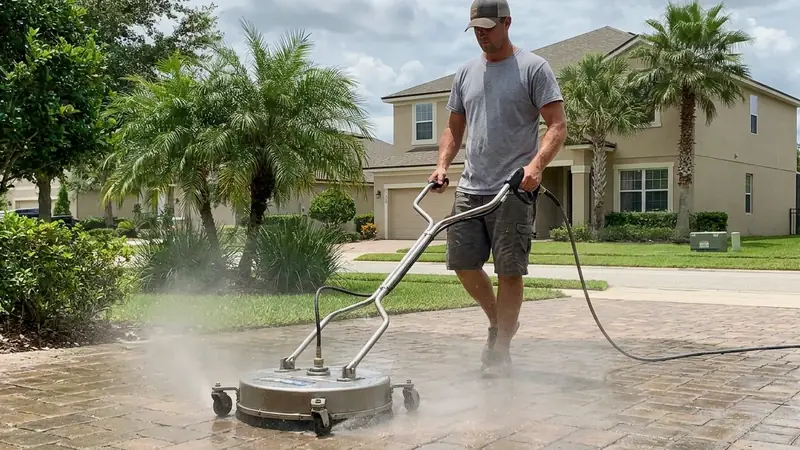
Next, salt film from the breeze, brown leaf marks from the oaks and magnolias, and any green growth in the shade come off. Pool decks are rinsed of chlorine or salt-system residue as well. Screens, flower beds and the base of the house wall are protected while this happens. Spots under heavy canopy may take a second round before they come clean.
Top the joints back up
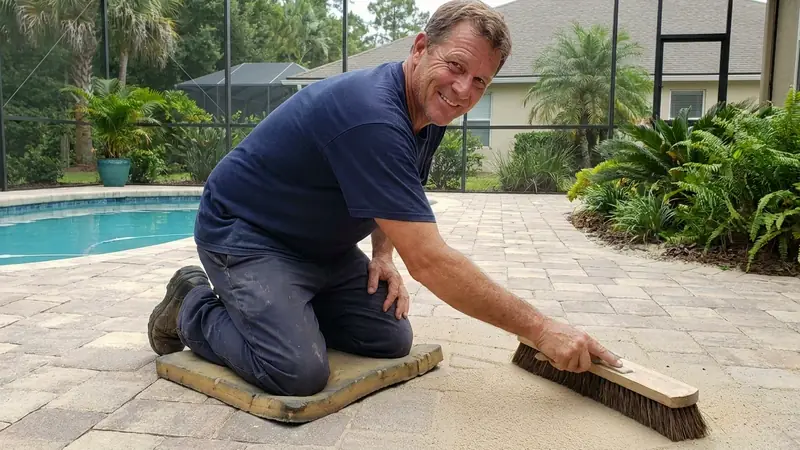
A wash removes joint sand, and a soggy summer had probably taken plenty already. New sand gets brushed across the surface and worked down into each gap, and the loose remainder is cleared away. Snug joints let pavers lean on each other over soft ground, which keeps edges from creeping. They also crowd out weeds and ant mounds.
Let a humid valley dry out
Palm Valley stays sticky from late April into November, and shade under a pool cage can keep a deck damp half the day. Sealer laid over moisture clouds up, so nobody should rush this part. The forecast gets checked too, and the work slides to another day if a storm is coming. That bit of patience is what keeps the coat clear.
Coat it, then give it a day
The finish you picked is sprayed down and back-rolled into the joints. Around the pool, a product with grip is the safe choice, since glossy film can feel slick underfoot. Keep vehicles off for roughly a day while it cures. The usual span between coats is two to five years, and sun and salt on this side of the waterway lean toward the short end.
Complete paver services in Palm Valley
Every Palm Valley job runs wash, re-sand, dry, seal, in that order and never skipping ahead. Salt and leaf stains come off, fresh sand settles into the gaps, the surface dries all the way through, and only then does a coat go down. Curious how many days your drive and pool deck would need? Call (904) 747-6756.
Out here the driveway takes tires and full sun, the pool deck takes splash and salt, and patios under the old hammock trees go green first. Front walks near the street gather sand and fallen leaves. Because each surface wears its own way, each may get its own cleaner and drying time. Spell out every area you care about as you request your free estimate.
Three things steer the sealer: what was used before, what the surface is, and the look you like. A water-based product cannot cover a solvent-based coat, so that gets answered first. Matte leaves things looking natural, and a wet look brings back richness but shows scuffs sooner. A quick call to (904) 747-6756 lets you compare finishes for a Palm Valley home.
June through early October is the wettest stretch here, and muggy air lingers well past it. Late fall into early spring tends to hand out more dry days for sealing. Even in a dry spell, a deck in shade may need a few extra hours after the wash. Pick a window that fits your street when you request your free estimate.
Questions to ask before you hire
- Would you seal a small patch first so I can see the result?
- How is payment split between the start and the finish?
- In this heat and humidity, how many years do you expect the coat to hold?
- How many days should cars stay off a freshly sealed driveway?
- What will you do if the sealer leaves a white haze?
- Will you sweep in new joint sand, and what kind do you use?
- Who do I contact if I notice a problem after you leave?
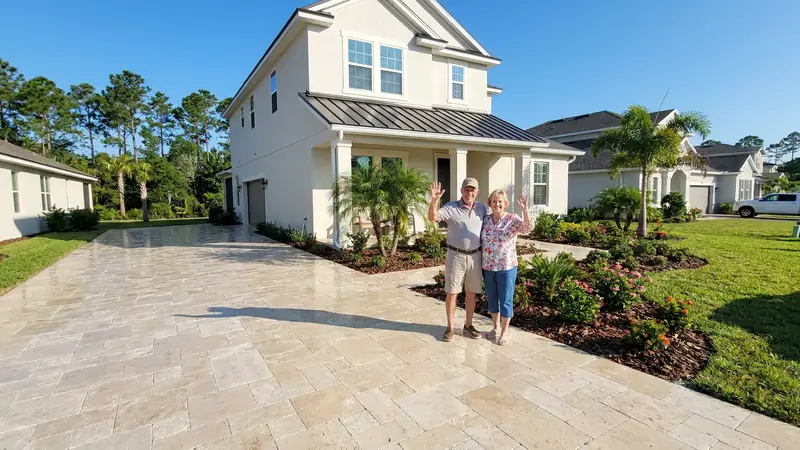
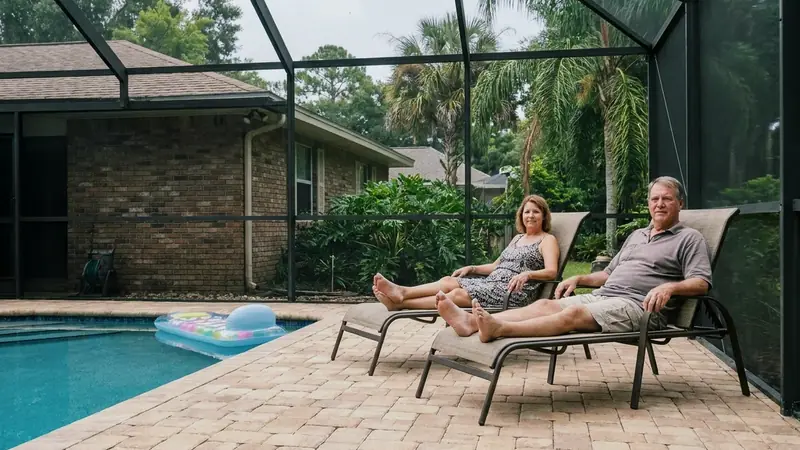
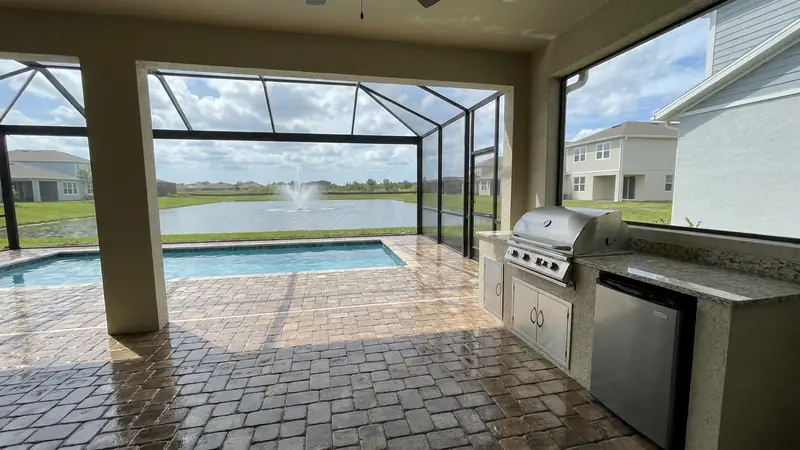
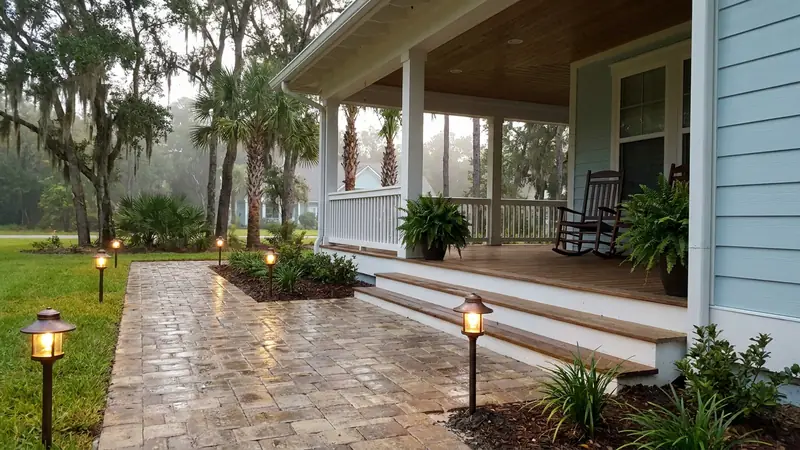
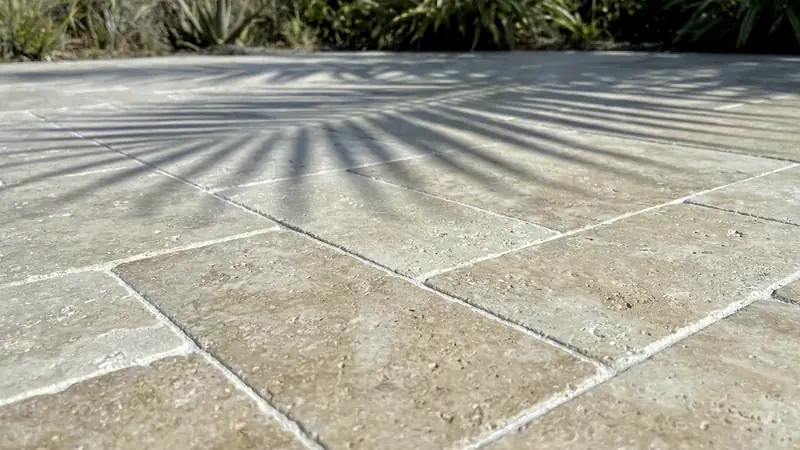
What do sealed pavers look like around Palm Valley?
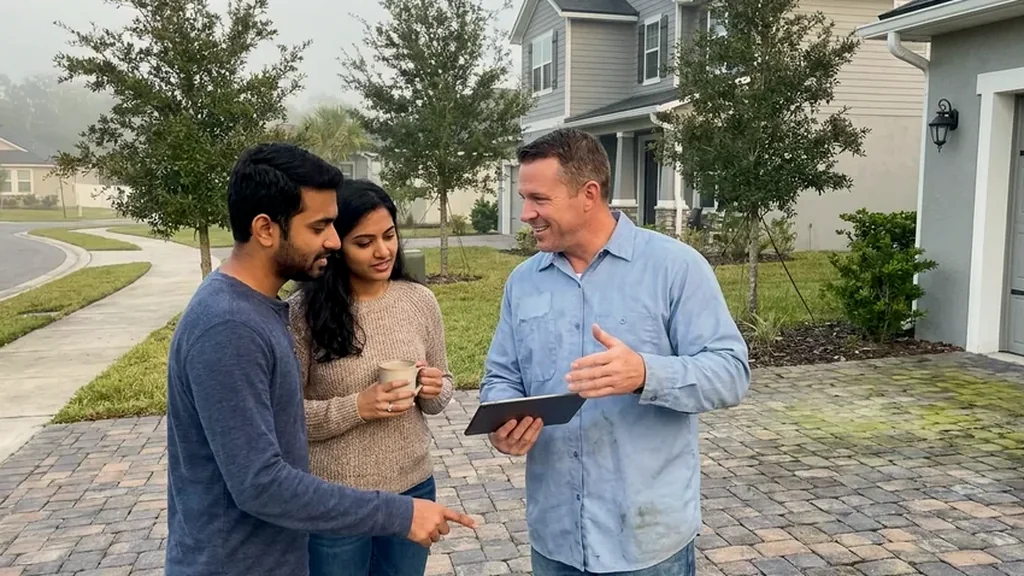
Why local matters in Palm Valley
Soggy low corners, salty haze and leaf stains often turn up on one and the same Palm Valley lot. A contractor who expects that plans the cleaning and the drying before arriving, so nothing catches the crew off guard. The steps stay in the right order, and the finish comes out even. Someone who already works between the Intracoastal and A1A is a phone call away at (904) 747-6756.
Timing is the other half. A single morning storm can drop inches of rain here, and muggy weather fills more than half the calendar. A contractor who knows the valley waits for the right window instead of forcing it. Go ahead and request your free estimate, then ask how they judge a deck ready for sealer.
Homes here run from older waterfront houses to golf homes on the Sawgrass side, and plenty answer to an HOA. A contractor familiar with the area handles gates, finish rules and pool cages without fuss. That makes the day easier on you and the folks next door. Note any HOA or gate in your request to request your free estimate; nobody is obligated to hire.
How did Palm Valley's past shape the ground under its pavers?
It shaped it a lot, because this land started as marsh and hammock before canals and the Intracoastal drained it. A canal was cut through Diego Plains in 1908 to link the San Pablo and Tolomato rivers, and the full waterway opened in 1912. The area was renamed Palm Valley around 1900 for the Sabal palms that grew everywhere. If your home sits on that old valley floor and the pavers have settled, request your free estimate.
Settlers once cut palm buds by the thousands for Palm Sunday and shipped them from Durbin Station on the railway. Today the state marker stands at the Palm Valley Community Center at 148 Canal Boulevard. The Palm Valley Bridge carries County Road 210 over the Intracoastal, rebuilt as a fixed four-lane span in 2002. Near any of these Palm Valley landmarks, call (904) 747-6756 and give your street.
Frequently Asked Questions
What is the average cost to seal pavers in Palm Valley, Florida?
Most Palm Valley jobs fall inside the $1.75 to $3.25 per square foot range that regional companies publish for the full clean, sand and seal. Salt film, leaf stains and shade can push a Palm Valley job higher in that range. Stripping a failed old coat adds more. Ask for the measured square footage on your quote.
Is it good to seal pavers in Palm Valley, Florida?
Yes, for most concrete pavers it is worth doing. Bare concrete pavers lose color within three to five years of Florida sun, one Jacksonville company says, and summer rain washes sand from open joints. Sealing slows both and makes stains easier to rinse off. Near the beach breeze, it also helps keep salt out of the pores.
How often do you need to reseal pavers in Palm Valley?
Two to five years between coats is what most companies quote. Full sun, salt air and daily tires push a drive toward the shorter end. A shaded walk may last longer. When water stops beading on the surface, it is time to look at a new coat.
Why is paver sealing so expensive in Palm Valley?
The bill is mostly hours of prep, not the sealer itself. Lifting salt and tannin, refilling joints and sitting out humid days all take time. A small job also costs more per foot because setup barely changes. Resetting sunken pavers on soft ground adds more.
Can my Palm Valley pool deck be sealed without making it slippery?
Yes, if the right product is used. A Jacksonville company recommends an anti-slip additive in every pool deck sealer. Many owners also pick a matte finish around the pool. Ask to see the finish on a small area first. Rinsing the deck after swim days also helps the coat last.
How soon after a big rain can my Palm Valley drive be sealed?
Once the pavers are clean and dry all the way down, and not before. After a soaking like the 2 to 2.5 inches reported on Palm Valley in one morning, low yards can stay wet for days. Shade and muggy air slow things further. The contractor checks the surface before starting.
Do I need HOA approval to seal pavers in Palm Valley?
Look at your HOA rules first, since many Palm Valley neighborhoods have one. Nearly every Plantation Oaks home reports an HOA, for example. A wet look darkens the color, which some boards may want to see first. Matte usually changes the look the least.
Will sealing fix pavers that have sunk near the water?
No, sunken pavers need to be reset before sealing. Sealer locks in whatever shape the surface is in. Point out any dips on the low side of your drive during the estimate. Fixing the base first keeps water from pooling in the same dip again.
Ready for a Free Estimate in Palm Valley?
Call (904) 747-6756 and tell us about your pavers.
Free, no obligation