
Paver sealing for Palencia homes
Paver Sealing in Palencia, FL
Palencia homes were built to echo old St. Augustine, and their pavers should look the part, so call (904) 747-6756.
- Brings out deeper paver color
- Fresh joint sand helps lock pavers in place
- Gives weeds less room to grow
- Makes the surface easier to keep clean
- Free estimate, no obligation
Request a Free Estimate
Free, no obligation.
Fast, careful paver sealing in Palencia
Paver sealing for Palencia homes covers driveways, front walks, pool decks and patios across the community. The estimate from a local contractor is free, and once you request your free estimate, a reply should land within 1 business day, usually much sooner. Mention roughly how much paver you have, since many Palencia lots carry a lot of it. A rough count of the drive, the walk and the pool deck helps the reply come back with real numbers.
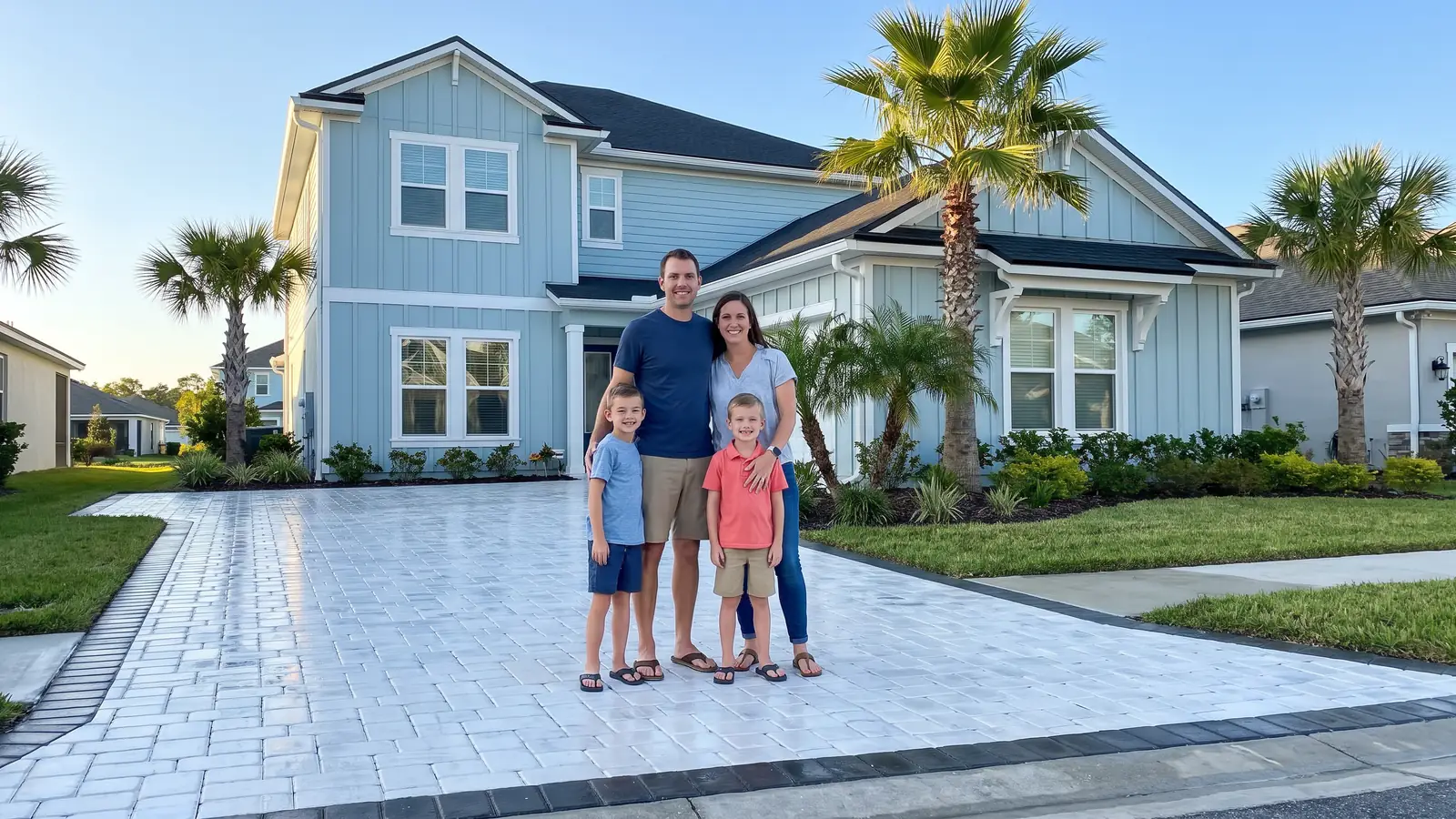
Picture a front drive gone flat and gray, with brown leaf marks under the oaks and thin lines where the joint sand used to be. After a wash, new sand and a fresh coat, the color comes back and rain beads up instead of soaking in. The change shows most on a long drive seen from the street. If the first picture sounds like your Palencia home, call (904) 747-6756.
Why hire a local paver sealing contractor in Palencia?
Palencia was planned around saved oaks, marsh views and Spanish colonial style, and each of those changes how pavers should be cleaned and sealed. To talk with someone who plans for that, request your free estimate.
A free look first
The contractor measures your Palencia pavers and checks the joints before giving a number. You owe nothing for the visit.
A range to compare
Northeast Florida companies commonly publish $1.75 to $3.25 per square foot to clean, sand and seal. Use it to judge any quote.
Stone or concrete, sorted out
Travertine and concrete pavers take different products. The contractor confirms which you have before picking a sealer for your Palencia home.
Your call on the finish
You choose matte or wet look, and you pick the date. Saying no after the estimate is fine.
Get Your Free Estimate in Palencia
Tell us about your pavers in Palencia.
Free, no obligation
What paver problems show up most in Palencia?
Leaf stains from the live oaks and scrub oaks
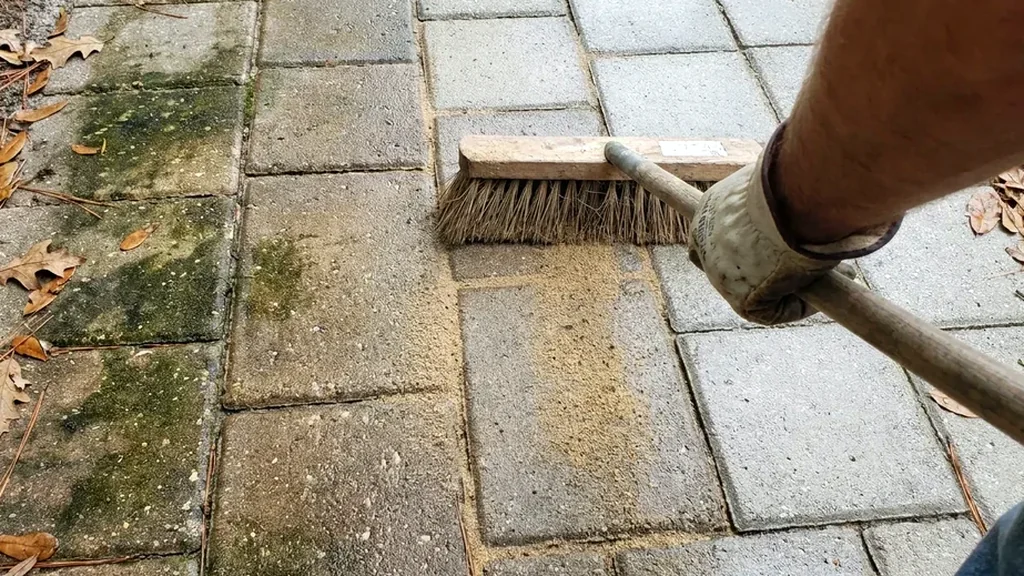
Palencia was built on a site with 400 acres of oak forest, and its course still weaves through live oaks and coastal scrub oaks. A St. Johns County paver company lists leaf tannins and mildew as their own cleaning problem, separate from an open-sun driveway. Those brown marks sit in the pores of the paver. Sealing on top of them would keep them there for years. The fix is a cleaner made for tannin, used before any sealer comes near the surface.
Travertine that drinks in stains
Many homes here lean on Spanish colonial style, and some pair it with natural stone around the pool or entry. If yours is travertine, know that a Ponte Vedra Beach company calls it more porous than brick pavers and quicker to stain. It is usually sealed in a matte finish. Stone and concrete need different products, so the material gets confirmed first. Guessing wrong can leave a cloudy or patchy finish on a surface that is costly to redo.
Square footage that adds up fast
The median Palencia home has about 3,559 square feet of living space, and Costa del Sol lots run up to 300 feet deep. A long drive, a front walk and a pool deck can add up to a big number. Because sealing is priced by the square foot, every patch of extra prep shows up in the total. Knowing your rough footage before the visit makes the quote easier to compare. A deep lot also means a longer walk for hoses and gear.
Summer downpours that empty the joints
St. Augustine's wet season runs from May through October, with daily summer thundershowers and short, hard rain. Each storm pulls a little sand from the gaps between pavers. Once the joints run low, weeds and ants move in and the pavers can start to shift. New sand has to go back before any sealer does. Sealer then helps hold that fresh sand in place through the next rainy season.
Irrigation marks along the edges
Sprinklers keep Palencia lawns green, and the spray often lands on the pavers too. A St. Johns County paver company names irrigation marks and rust among the things it checks before sealing. These stains need their own treatment during the wash. Left alone, a clear coat would hold them in place. Turning a few spray heads away from the drive also helps keep new marks from forming.
Do Palencia's estate lots and village homes need the same paver work?
No, because Palencia mixes several home types inside one gate. The plan included single-family homes, townhomes, condos, live/work units on Market Street and marshfront estate lots. A townhome walk near the Village Green is a small job, while a deep estate drive is a long day. When you request your free estimate, mention if your home is a townhome, a village home or on an estate lot.
Costa del Sol, the last neighborhood, has lots 90 to 100 feet wide and 180 to 300 feet deep. Wooded buffers sit between the homes and the golf course, so many drives pass under trees on the way to the street. That shade slows drying after the wash. Call (904) 747-6756 and ask how the contractor plans for a long, shaded drive.
Palencia was laid out with neighborhoods split by preserved natural areas, and staff hand-marked trees on every lot before building. The result is a lot of old canopy close to the pavers. Roots can lift a section, and sealing over a raised spot only locks it in. Point out any uneven areas when you request your free estimate, so repairs come first.
What does paver sealing cost in Palencia?
Around Northeast Florida, the going rate companies publish for a full clean, sand and seal is $1.75 to $3.25 per square foot. In Palencia, the size of the paved area is often the biggest driver of the total, since large homes and deep lots mean more surface. Tannin stains, mildew under the canopy and failed old sealer also take extra time. To get your own number at no charge, request your free estimate.
Material matters as well, since travertine and other natural stone are more porous than concrete pavers and need a different sealer. Stripping a failed coat also adds cost before any new sealer goes on. A gate code, a tight side yard or furniture on the pool deck can add time too. Call (904) 747-6756 and describe what you have, so the estimate starts from the right material and the right prep.
| Paved area | Typical example | Clean, sand and seal |
|---|---|---|
| 300 sq ft | Small patio or walkway | $525 to $975 |
| 600 sq ft | Two car driveway | $1,050 to $1,950 |
| 1,000 sq ft | Large driveway or pool deck | $1,750 to $3,250 |
| 1,500 sq ft | Driveway plus pool deck | $2,625 to $4,875 |
Math based on the $1.75 to $3.25 per square foot that Northeast Florida paver companies published as of November 2026. Your contractor sets the actual price after seeing the surface. Repairs, leveling and stripping failed sealer are usually extra.
How does a paver sealing job work in Palencia?
Measure, check the joints and name the material
The contractor walks the drive, the walk and the pool deck, measuring as they go. They look at joint sand, roots and any coat already on the surface. Concrete and travertine get sorted out here, since each needs its own sealer. Water-based sealer also cannot go over a solvent-based coat, so any past product matters. If you have receipts or a product name from an earlier job, have them ready.
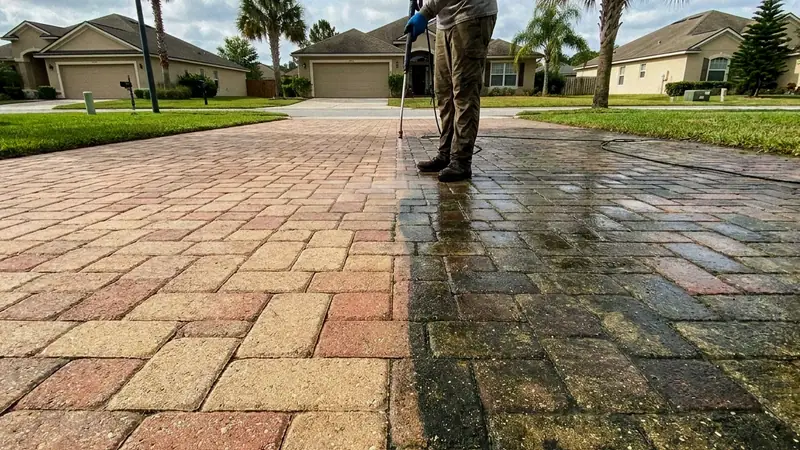
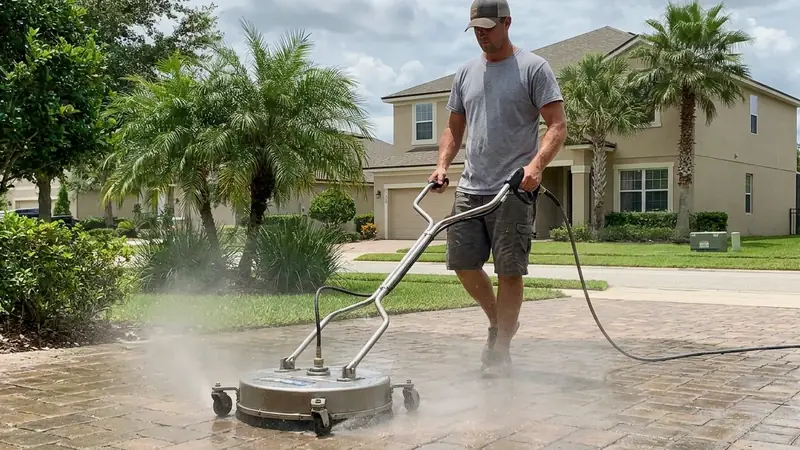
Wash out the tannin and the green
Cleaning removes the brown oak marks, dark mildew and irrigation stains. Palencia's canopy means these often show up together on the same drive. Shaded spots and stone may need a gentler method. Rinse water is kept off plants and the house where the pavers meet the walls. Stucco and stone trim near the drive get extra care at this stage.
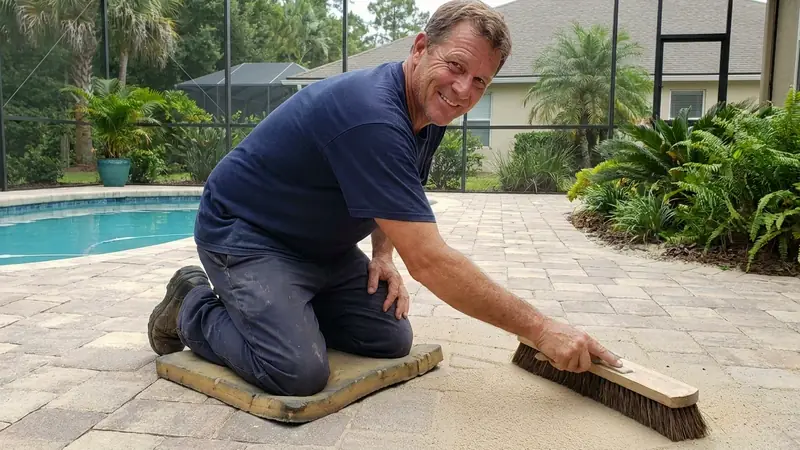
Refill the joints with new sand
Washing pulls sand out of the gaps, so it gets replaced before sealing. The new sand is swept in until the joints are full and firm. On a large Palencia layout this step can take a good part of the day. Full joints keep pavers from shifting and leave weeds no room. The surface is then blown clean so loose sand does not end up under the coat.
Let it dry all the way
Pavers have to be bone dry before sealing, because moisture under the coat is what turns it milky. Drives under Palencia's oaks can stay wet long after open areas dry. From May through October, afternoon storms can also push the date. Many homeowners aim for the drier stretch from November through April. A careful contractor would rather move the date than seal a damp drive.
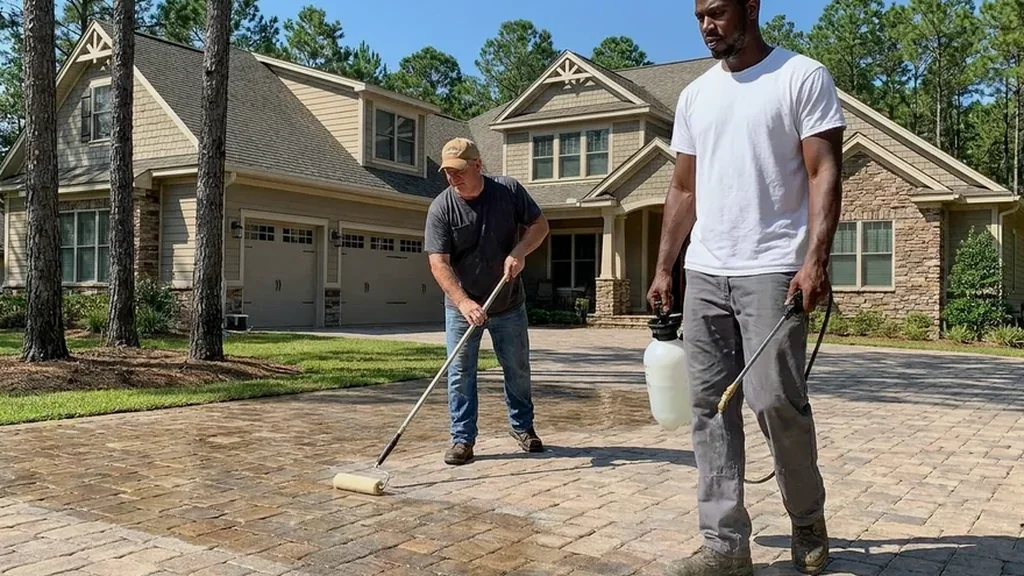
Spray, back-roll and keep cars off
The finish you chose is sprayed on and then rolled out by hand, which pushes it down into the joints. A wet look shows scuffs sooner than matte, and travertine usually gets matte. Give the drive roughly a full day before the cars come back. Most companies figure on a fresh coat every two to five years. Ask where your shade, tires and pool splash are likely to put you in that span.
Complete paver services in Palencia
Each Palencia job follows the same order: wash, sand, dry and seal. The wash clears oak litter, mildew and sprinkler marks, and then new sand fills the joints. Sealer comes last, once the surface is fully dry, so nothing is trapped underneath. To ask how many days your layout would take, call (904) 747-6756.
Driveways here take tires and falling leaves, front walks pick up shade, and pool decks take splash and sun. Palencia homes also vary from small townhome patios to deep estate drives. A good plan treats each surface on its own terms, with its own cleaner and drying time. List every area you want done when you request your free estimate.
Sealer choice starts with the material and any old coat. Concrete pavers can take a matte or wet look, while travertine is usually sealed matte. If a solvent-based coat is already on, a water-based product cannot follow it. Call (904) 747-6756 to talk through which finish suits a Spanish-style front.
Timing in Palencia follows the seasons. Summer brings daily storms, while November through April often has long dry spells that make sealing easier. Shaded drives under the oaks need extra drying time even on a sunny week. For a date that fits your street, request your free estimate.
Questions to ask before you hire
- In this heat and humidity, how many years do you expect the coat to hold?
- How is payment split between the start and the finish?
- What will you do if the sealer leaves a white haze?
- Who do I contact if I notice a problem after you leave?
- How do you keep overspray off my plants, my pool and the house?
- Can you send proof of liability insurance and tell me what license this job calls for?
- Would you seal a small patch first so I can see the result?
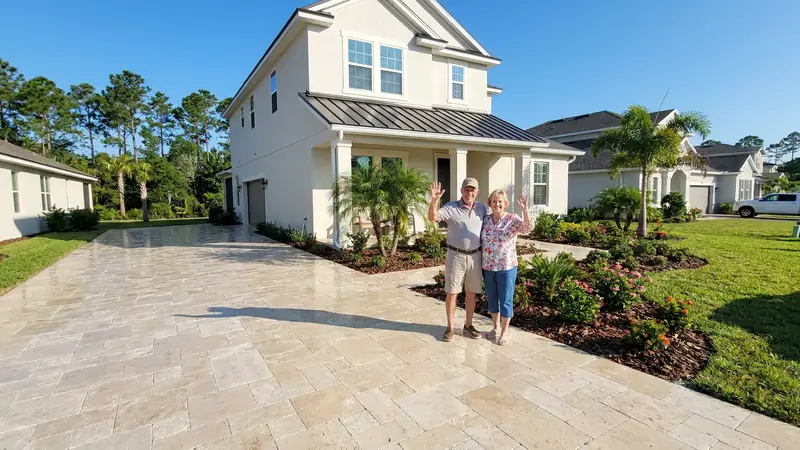
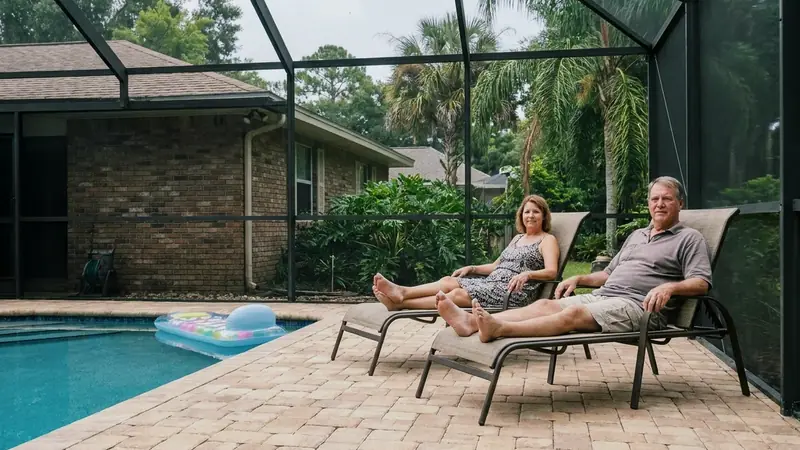
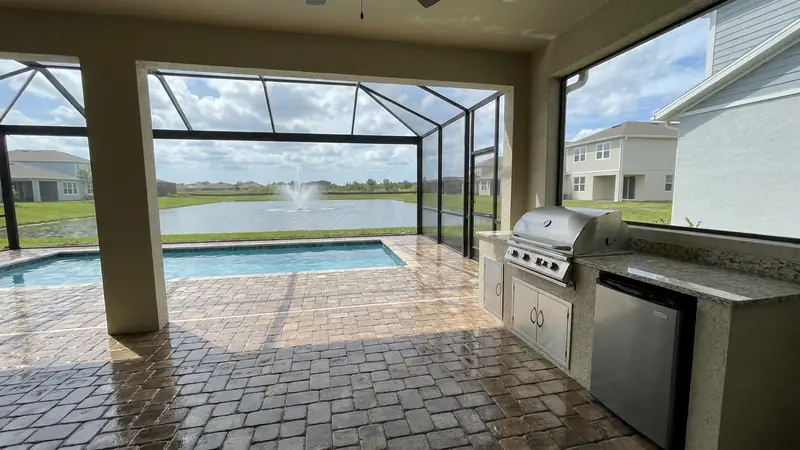
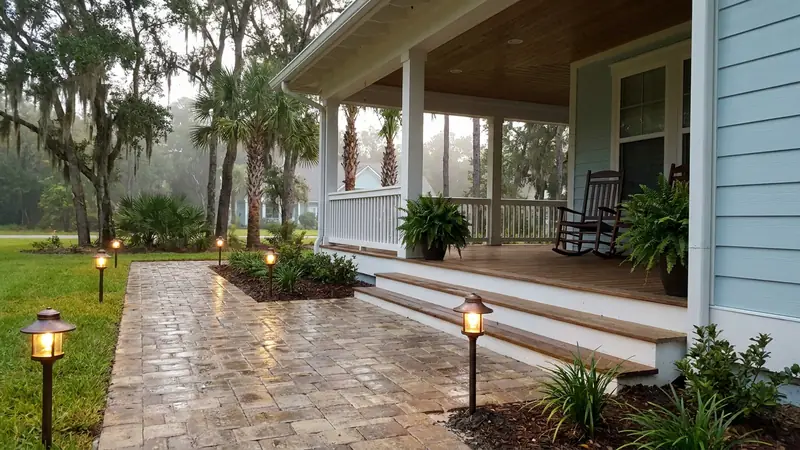
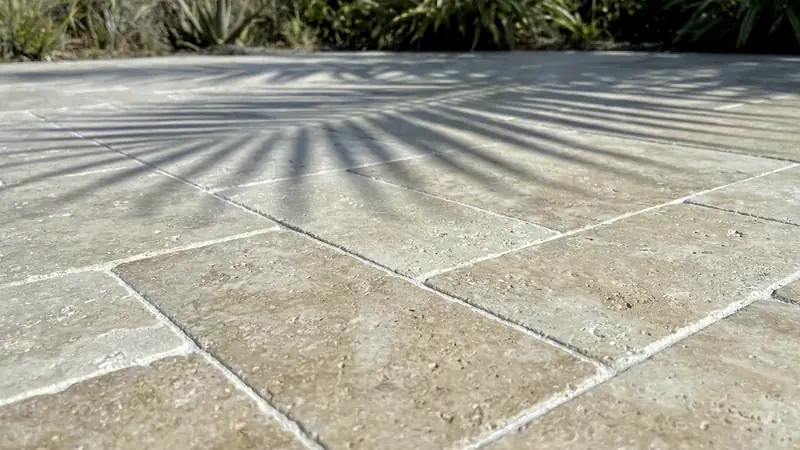
What do sealed pavers look like around Palencia?
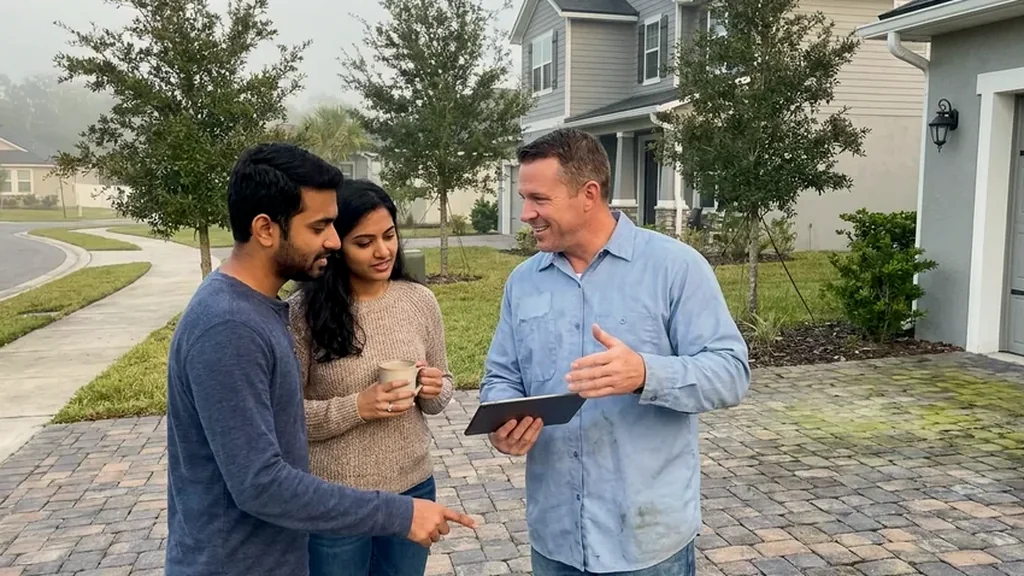
Why local matters in Palencia
A contractor who knows Palencia expects old oaks, deep lots and natural stone, and plans the day around them. Someone new to the area may quote a shaded estate drive like an open one. That gap shows up in drying time, in the cleaners used and in the finish. If you want someone who already knows the drives around the Palencia Club, call (904) 747-6756.
Local knowledge also helps with stains. Oak tannin, mildew and sprinkler rust each need a different cleaner, and Palencia drives often carry all three. Getting this right before sealing keeps the coat clear and even from the garage to the street. You can request your free estimate and ask which stains the contractor sees on your pavers.
Palencia is gated, with an active community and shared amenities. A contractor who works here is used to gate access and planning around neighbors. They can also tell you how long to keep cars off so your drive is ready when you need it. When you request your free estimate, mention your gate and parking setup, with no obligation to hire anyone.
Does Palencia's layout along the Intracoastal affect paver care?
Yes, because Palencia was built along two miles of the Intracoastal Waterway and Marshall Creek, with trees saved on purpose. Its first name was Marshall Creek, and work began in earnest in May 1997. The Palencia Club course winds through live oaks and open marsh in the heart of the Village Center, with a 30-acre park system tied together by boardwalks. If you live near the course and your pavers have dulled, request your free estimate.
Around the Village Green, Market Street was planned for shops, offices and live/work units, close to the clubhouse and tennis center. A boardwalk leads out to the Tolomato River, and Stokes Landing Conservation Area protects marsh just beyond. Palencia's design drew on Spanish colonial style and on older Jacksonville streets like San Marco and Avondale. If you live close to the Village Green or the river boardwalk, call (904) 747-6756 and tell them your street.
Frequently Asked Questions
How much does it cost to seal travertine pavers in Palencia?
Expect travertine to cost more than concrete pavers, since it is more porous and needs a different sealer. Concrete pavers in this region usually run $1.75 to $3.25 per square foot for the full clean, sand and seal, by the rates companies publish. A contractor can price your Palencia stone after seeing it. Ask for the stone and the concrete areas to be priced as separate lines.
Is it a good idea to pressure wash pavers in Palencia?
Yes, a careful wash is part of the job, as long as the joint sand gets replaced afterward. Washing pulls sand from the gaps, so new sand goes in before any sealer. Shaded spots and natural stone may call for a gentler method. Oak tannin and irrigation rust often need a treatment of their own, not more pressure.
How long does sealer last on Palencia pavers in Florida?
A new coat every two to five years is the span most companies give. Drives with daily tires and heavy oak litter tend to need attention sooner. Splash a little water on the drive: beads mean the coat still works, and dark wet patches mean it is spent.
Why is paver sealing so expensive on a Palencia lot?
Most of the cost is the prep, and Palencia lots often have a lot of surface to prep. Removing tannin and mildew, refilling joints and waiting for a dry surface all take time. Large homes and deep estate lots also mean more square feet. An old coat that has failed and must come off raises the bill further.
What finish suits a Spanish-style Palencia home?
Many owners pick matte, especially on travertine or around a pool. A wet look deepens color but shows scuffs sooner. The contractor can show you both before the job starts. On a pool deck, ask about grip, since a glossy coat can feel slick when wet.
Will sealing fix pavers lifted by tree roots?
No, a lifted section needs repair before sealing. One Jacksonville company resets root-lifted areas first, because sealing over them only locks the problem in. Point out any high spots during the estimate.
When is a good time of year to seal pavers in Palencia?
The drier months from November through April are often easiest, because sealer needs a dry surface. Summer storms arrive most afternoons from May through October. A contractor will watch the forecast and the shade on your drive. Booking ahead for the dry season gives you more dates to choose from.
Do I need my Palencia association's OK to seal pavers?
Check your community's rules first, since Palencia is a gated, planned community with shared standards. A clear sealer usually changes little, but a wet look darkens the color. Ask your association before the contractor's visit so the date is not held up.
How long should I stay off newly sealed pavers in Palencia?
Expect to park elsewhere for about a day, though you can usually walk across it by that afternoon. The exact time depends on the sealer and the weather. Shade under the oaks can stretch drying time a little.
Should new pavers at a Palencia home be sealed right away?
Not right away, since new pavers usually need time before the first coat. One Jacksonville company says to wait 30 to 60 days so white haze from the concrete can work its way out. Joints should also be re-sanded before sealing, never after.
Ready for a Free Estimate in Palencia?
Call (904) 747-6756 and tell us about your pavers.
Free, no obligation